Brake Repair Basics: Warning Signs, Costs & Prevention
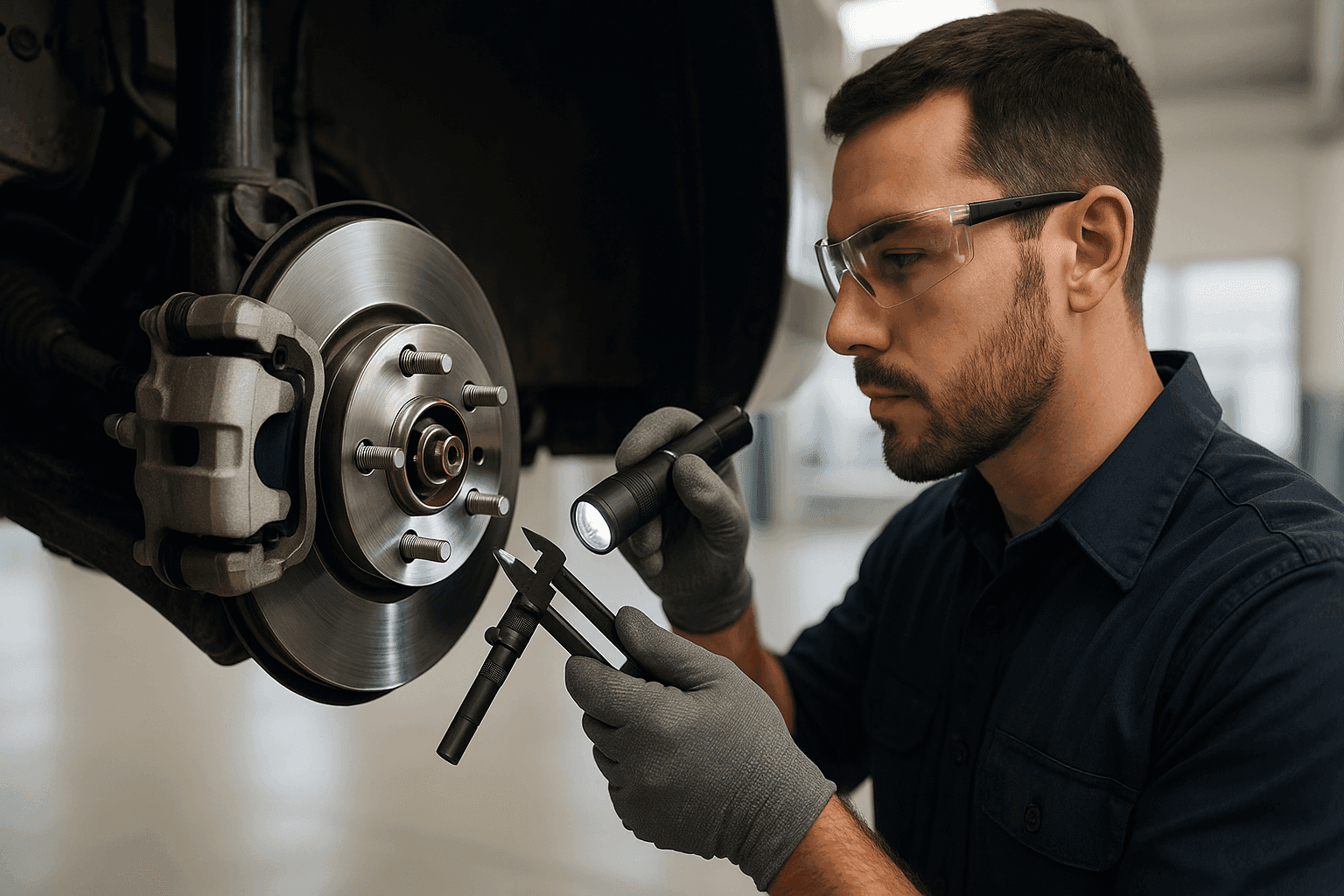
Are your brakes trying to tell you something? Maybe you’ve heard a strange squeal on your morning drive. Or felt a jolt when you press the pedal. Your brakes are more than just parts—they’re your safety net, for both families and fleets.
At Brandy's Autobody Repair, we know how crucial it is to spot brake issues early. Timely brake repair isn’t just about keeping your car running. It’s about protecting lives, investments, and the road ahead.
Common Brake Issues: What to Watch For 🛑
A healthy brake system is like a good handshake—firm, confident, reliable. But when things go wrong, your car sends clear signs. Here’s what to look (and listen) for, whether it’s your family vehicle or a company van:
- Squealing or Grinding Noises
High-pitched squeaks often mean worn brake pads. Grinding? That’s metal-on-metal—a sign things are getting serious. - Vibrations When Braking
If your steering wheel or pedal shakes, your rotors may be warped or uneven. - Warning Lights
That little brake icon on your dashboard isn’t just for show. It can signal low fluid, worn pads, or system issues. - Soft or Spongy Pedal
Does the brake pedal sink to the floor? You could have air in the lines or a fluid leak. - Pulling to One Side
Your car should stop in a straight line. If it veers, you might have a stuck caliper or uneven pad wear. - Burning Smell
A sharp, chemical odor after braking hard? This could mean overheated brakes—a clear sign to take a break and check.
Ignoring these symptoms is like ignoring a toothache—it never gets better on its own.
Quick Safety Checklist
Before you hit the road, run through these fast checks:
- Are your brakes making any unusual sounds?
- Does your vehicle stop smoothly and in a straight line?
- Are there any warning lights lit up on your dashboard?
- Is the brake pedal firm, not soft or mushy?
- Do you notice any odd smells after braking?
If you answer “yes” to any, don’t wait. Get your brakes checked by a professional auto_body shop.
DIY vs. Call a Pro
Some drivers like to get their hands dirty. But brakes aren’t the place to gamble. Here’s when you can try a quick fix—and when you should call Brandy’s Autobody Repair:
DIY:
- Topping off brake fluid (if you know the type)
- Checking for obvious leaks or loose parts
- Listening for new noises
Call a Pro:
- Persistent noises or grinding
- Brake warning lights that don’t turn off
- Spongy or unresponsive pedal
- Any sign of leaking fluid
- Vibrations or pulling when braking
Brakes involve high-pressure systems. One small mistake can put you—and everyone else—at risk. Professionals use specialized tools and follow strict safety codes set by the National Highway Traffic Safety Administration (NHTSA).
What Pros Do On Arrival
When you bring your vehicle to Brandy’s Autobody Repair for brake repair near you, here’s what happens:
- Comprehensive Inspection
We check pads, rotors, calipers, lines, and brake fluid. Nothing is left to chance. - On-the-Spot Diagnostics
Using advanced diagnostic tools, we pinpoint the cause. No guesswork. - Clear Communication
You get a breakdown of the issue and options for repair or replacement. - Quality Parts & Skilled Service
We use trusted components and proven techniques for every repair, big or small. - Test Drive & Safety Verification
After repair, every vehicle is road-tested and checked to ensure all systems work as they should.
This approach keeps both daily drivers and commercial fleets rolling safely.
How to Prevent Premature Brake Wear
Most brakes aren’t ruined overnight—they wear down little by little. The good news? A handful of habits can help you avoid costly repairs:
- Lighten the Load
Heavy cargo or towing increases brake strain, especially for work trucks or vans. - Smooth Driving
Sudden stops and aggressive driving chew up pads and rotors. - Routine Inspections
Schedule brake checks at least twice a year—or with every oil change. - Flush Brake Fluid
Old fluid absorbs moisture and can lead to corrosion. Change it as your manual suggests. - Tire Maintenance
Properly inflated and aligned tires mean less work for your brakes. - Listen to Your Car
Address small noises or changes in feel before they become bigger (and pricier) problems.
Refer to your vehicle’s owner’s manual and the latest NHTSA brake system guidelines for recommended service intervals.
What Affects Brake Repair Costs
Brake repair isn’t one-size-fits-all. Here’s what can drive costs up—or keep them manageable:
- Type of Vehicle:
Commercial trucks and performance cars usually have more complex (and expensive) systems. - Severity of Damage:
Replacing pads costs less than fixing damaged rotors or calipers. - Parts Quality:
OEM parts tend to be pricier than aftermarket, but may last longer and fit better. - Labor Time:
Some jobs are quick—others require more teardown. - Additional Repairs:
Sometimes, brake issues reveal related problems, like worn suspension or alignment trouble. - Location:
Heavy traffic, steep hills, or harsh winters can all increase wear and tear, especially for delivery vehicles or work fleets.
On average, expect routine pad replacement to cost less than full rotor or hydraulic repairs. The key is catching problems early—before they turn into emergencies.
When It’s an Emergency
Some brake issues need immediate attention. Don’t risk it if you notice:
- Brakes don’t respond at all, or pedal goes to the floor
- Sudden, severe pulling to one side
- Smoke, fire, or burning smell from wheels
- Dashboard brake or ABS lights flashing and car feels unsafe
Pull over safely. Call for help. Don’t try to “limp home”—the risk isn’t worth it.
FAQ: Common Brake Repair Questions
How often should I replace my brake pads?
Most pads last 30,000–70,000 miles. It depends on driving style, vehicle type, and road conditions. Check your manual and have them inspected regularly.
Is brake squealing always serious?
Not always. Sometimes it’s due to dust or moisture. Persistent or loud squealing, however, usually means it’s time for an inspection.
Can I drive with a brake warning light on?
It’s not worth the risk. Even if the car feels fine, a warning light means the system has detected a problem.
Why do commercial vehicles need more frequent brake service?
Heavier loads, more stop-and-go driving, and higher mileage mean more stress on brake components.
Local & Seasonal Considerations
Brakes face different challenges depending on where and how you drive:
- Cold Climates:
Salt and moisture can corrode brake parts. Check for rust and have brakes inspected after winter. - Hot Weather:
High heat can fade brakes faster—especially for delivery vans or trucks with heavy loads. - Urban Driving:
Stops, starts, and traffic lights mean more frequent pad and rotor wear. - Rural Roads:
Dirt, gravel, and mud can clog or damage brake components.
Annual or seasonal inspections can catch problems before they become emergencies—whether you’re a parent shuttling kids or a business owner managing a fleet.
Brake repair isn’t just about parts—it’s about peace of mind, for families and businesses alike. If you notice any warning signs, don’t wait for a bigger problem to stop you in your tracks.
Call Brandy's Autobody Repair now — or reach us anytime at 877-837-7461 .