How to Spot Hidden Auto Body Damage After a Collision
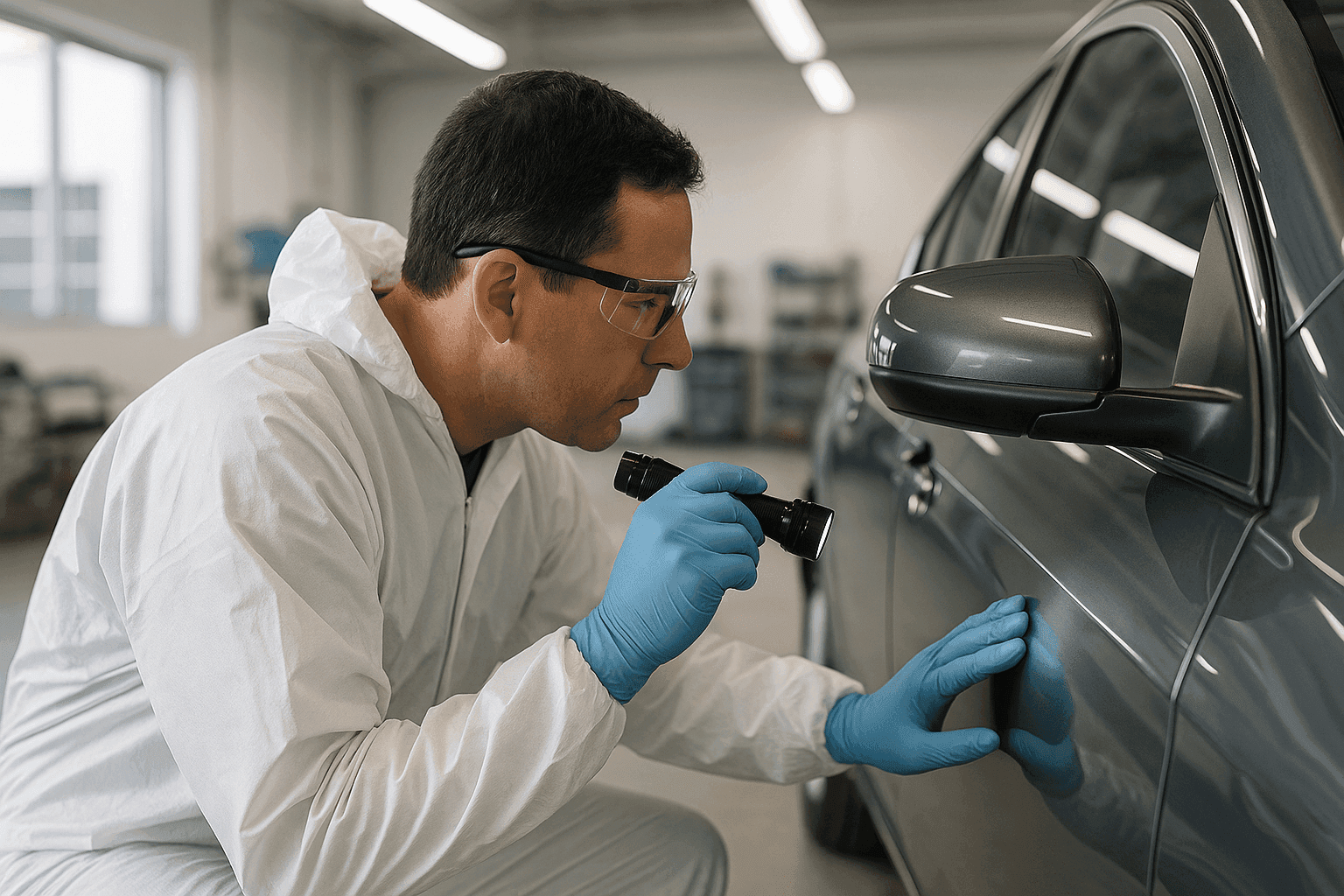
Accidents shake up more than just your drive—they can rattle your confidence, too. Even small fender benders can leave behind auto_body damage you might never spot with the naked eye. But what you don’t see can cost you, whether it’s your safety or your wallet down the road.
At Brandy's Autobody Repair, we’ve seen all the hidden surprises a collision can leave behind. Here’s how to spot trouble before it grows—and why prompt action matters for every driver, residential or commercial.
Why Hidden Damage Matters 🚗
You walk around your car after a collision. The bumper looks fine. Maybe a headlight’s a little scuffed. But beneath the surface, trouble can lurk. Like an iceberg, the real danger is often out of sight.
Hidden damage—the cracks, bends, and shifts that escape a quick glance—can affect:
- Safety: Your car’s frame or suspension might be weakened, risking future accidents.
- Value: Undetected issues lower resale value and can make future repairs more expensive.
- Insurance: Missed damage may not be covered if not reported promptly.
The National Highway Traffic Safety Administration (NHTSA) and the Insurance Institute for Highway Safety (IIHS) both warn that even low-speed impacts can cause frame or alignment issues. That’s why a professional inspection is crucial—even if you think you got lucky.
Visual and Performance Red Flags
Not all damage waves a red flag. Some signs whisper. Others are silent. Here are the clues to watch for after any collision:
Visual Red Flags
- Misaligned panels: Doors, trunk, or hood don’t line up or close smoothly.
- Gaps and uneven seams: Noticeable spaces between panels or bumpers.
- Paint cracks or bubbling: Paint damage can mean deeper trouble underneath.
- Dented or scratched wheels: Sometimes the wheels take a hit you don’t see right away.
- Windshield cracks: Even small chips can spread or signal frame twist.
Performance Red Flags
- Steering feels “off”: If the wheel pulls or vibrates, alignment or suspension may be damaged.
- Uneven tire wear: One tire wearing out faster? It’s a classic sign of alignment or frame issues.
- Strange noises: Creaks, rattles, or squeaks when driving or turning.
- Doors or windows stick: They don’t open or shut as smoothly as before.
- Headlights or taillights misaligned: They shine at odd angles or seem loose.
Tip: If your car “just doesn’t feel right,” trust your gut. Small symptoms today can mean big repairs tomorrow.
Quick Safety Checklist After a Collision ✅
Before you drive away—or let anyone else behind the wheel—run through this checklist:
- Check all doors, trunk, and hood for smooth opening and closing.
- Inspect wheels and tires for dents, bulges, or odd wear.
- Step back and look for uneven gaps between panels.
- Watch for warning lights on the dashboard.
- Test your brakes at low speed. Any sponginess or noise?
- Listen for new rattles, squeaks, or groans.
- Glance at the windshield and windows for new chips or cracks.
- See if the steering wheel is centered when driving straight.
If you notice anything unusual, have your vehicle inspected by an auto_body professional right away.
Steps to Take After a Crash
You’ve just been in a collision. Here’s what to do next—whether you’re on a busy street or in your own driveway:
- Stay safe: Move to a safe spot if possible. Turn on hazard lights.
- Photograph everything: Take clear photos of the scene, your car, and all visible damage.
- Exchange info: Swap details with anyone else involved.
- File a police report: Even for minor accidents, this helps with insurance claims.
- Document symptoms: Jot down anything that feels or sounds different about your car.
- Contact your insurer: Let them know what happened right away.
- Schedule a professional inspection: Don’t rely on a quick visual check.
- Save receipts: Keep all repair and inspection paperwork for your records.
DIY vs. Call a Pro
Some fixes are weekend projects. Hidden auto_body damage isn’t one of them.
When DIY Won’t Cut It
- Frame issues: Requires specialized equipment to measure and repair.
- Suspension/steering: Safety-critical parts need expert calibration.
- Electrical problems: Modern vehicles have complex systems—guesswork can make things worse.
- Paintless dent repair: Without the right tools or skills, you can make the damage worse.
What You Can Do
- Check tire pressure and tread.
- Look for new leaks or fluid puddles.
- Clean the car to spot scratches or dents you missed the first time.
- Keep records of all changes or symptoms.
But for anything beyond the obvious, call a qualified auto_body shop for a thorough inspection.
What Pros Do On Arrival
When you bring your vehicle to Brandy's Autobody Repair, here’s what a professional inspection involves:
- Full visual inspection: We check every panel, seam, and component for subtle signs of damage.
- Frame measurement: Using precision tools, we detect even minute shifts or bends.
- Suspension and alignment check: Wheels, axles, and steering components are tested for balance and wear.
- Diagnostic scan: Modern vehicles are scanned for error codes or hidden electrical faults.
- Paint and finish assessment: We look for cracks, chips, and paint transfer that signal structural issues.
- Test drive: We listen for noises, feel for vibrations, and check the brakes and handling.
Our team follows guidelines from the National Institute for Automotive Service Excellence (ASE) and vehicle manufacturer specifications for every procedure.
Prevention & Maintenance
You can’t always avoid accidents, but you can lower the risk of hidden damage:
- Drive defensively: Give yourself space and time to react.
- Regular maintenance: Schedule wheel alignments, brake checks, and tire rotations.
- Inspect after storms: Hail and debris can cause damage you don’t see right away.
- Address minor dents or scratches quickly: They can lead to rust or deeper issues.
- Check alignment after curb hits: Even small impacts can throw things off.
Remember: the sooner you address small issues, the less likely they’ll become big problems.
Costs & Time Factors
Hidden damage isn’t just a safety concern—it’s a financial one, too.
What affects cost and timing?
- Severity of damage: More extensive damage takes longer to uncover and repair.
- Parts availability: Some makes and models require special order parts.
- Insurance process: Claims and approvals can add time.
- Type of repair: Paintless dent repair or minor panel fixes are faster than frame or suspension work.
Typical ranges:
- Minor bumper or fender repairs might take 1–2 days.
- Frame straightening or suspension repairs could take a week or more.
- Insurance claim assistance can help smooth out the process, but delays can happen if hidden damage is found later.
The best way to save time and money? Get a professional inspection right after a crash.
When It’s an Emergency
Some damage can wait. Some can’t. Here’s when to act fast:
- Fluid leaks: Oil, coolant, or brake fluid puddles under your car.
- Steering or brake issues: Hard to steer, car pulls, or brakes feel soft.
- Airbag warning lights: Indicates possible sensor or electrical failure.
- Wheels or tires look unstable: Bent rims, bulging tires, or visible wheel damage.
- Windows won’t close: Leaves your car exposed to theft or weather.
If you notice any of these, park the car and call for professional help immediately.
FAQ
Can I drive my car after a minor collision if it “looks” fine?
It’s tempting, but even if your car seems okay, hidden frame or suspension damage can make it unsafe. Get an auto_body checkup before driving far.
Will insurance cover hidden damage found later?
Insurance policies vary, but most require you to report all damage as soon as possible. Delays can affect your claim. Consult your provider and keep detailed records.
What’s the difference between paintless dent repair and traditional body work?
Paintless dent repair removes small dents without repainting. It’s faster and less invasive but not suitable for deep or sharp creases. Traditional body work may involve filling, sanding, and repainting.
How do I know if my wheels are misaligned?
Common signs are the steering wheel pulling to one side, uneven tire wear, or a crooked steering wheel when driving straight. Wheel alignment checks are quick and can prevent bigger issues.
Local and Seasonal Considerations
Living in areas with harsh winters, heavy rains, or hail? Your car’s more likely to suffer hidden damage from weather-related events—hail dings, pothole hits, or salt corrosion can go unnoticed until rust or handling problems surface.
If you use your vehicle for commercial purposes—like deliveries or fleet operations—frequent stops and starts put extra stress on brakes, suspension, and alignment. Schedule more frequent inspections, especially after minor mishaps.
The bottom line: what you don’t see can hurt you, your passengers, and your wallet. A careful inspection after any collision—big or small—keeps your car, and everyone in it, safe for the long road ahead.
Call Brandy's Autobody Repair now — or reach us anytime at 877-837-7461 .